Hip & Lower Limb
Ankle Pain
Treatment
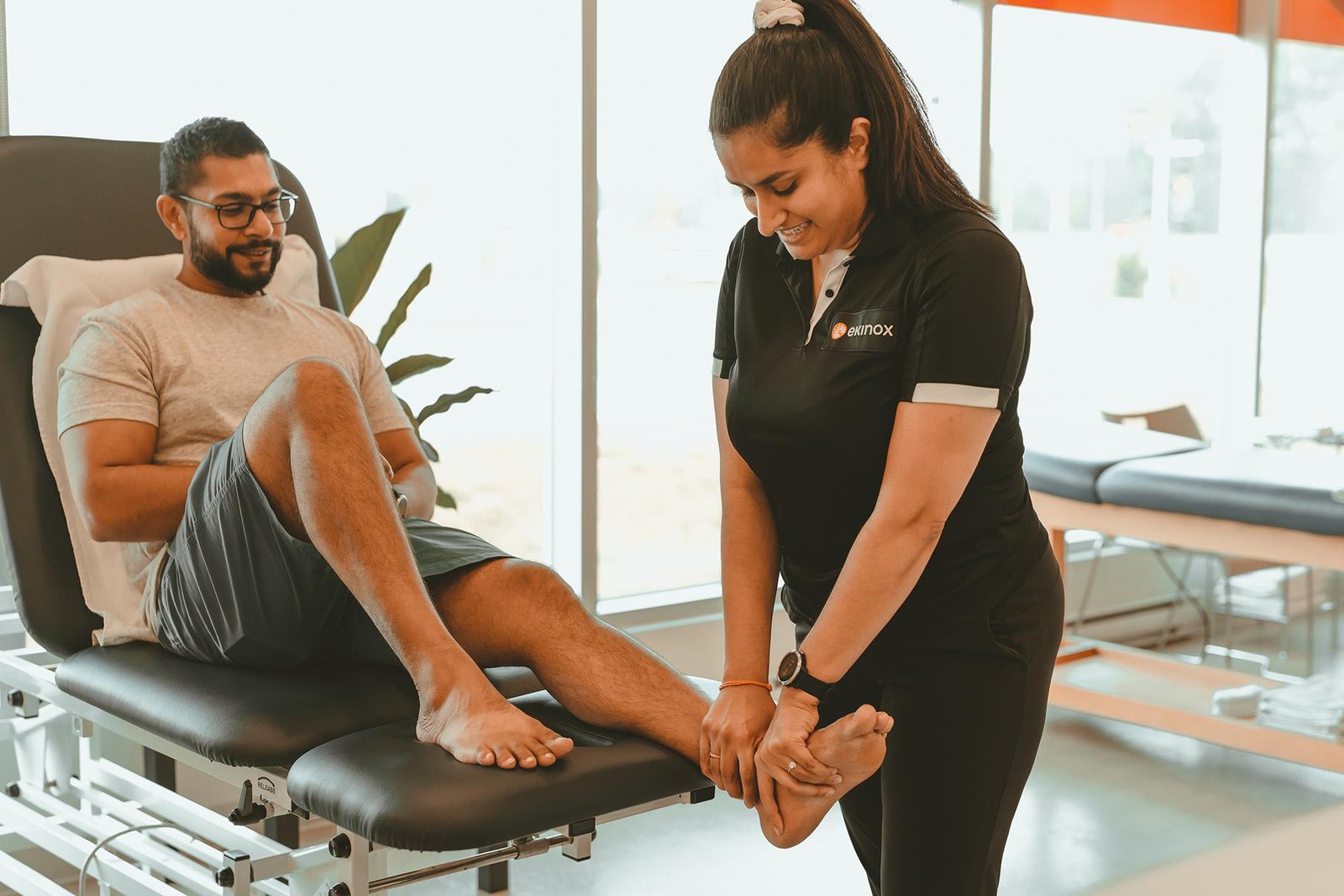
From acute sprains to chronic instability — our expert physiotherapists diagnose and treat ankle pain, helping you walk, run, and move with confidence again.

Hip & Lower Limb
From acute sprains to chronic instability — our expert physiotherapists diagnose and treat ankle pain, helping you walk, run, and move with confidence again.
Protect
Restore
Strengthen
Retrain
Return

Understanding Your Pain
Your ankle is an intricate structure of bones, ligaments, and tendons that bears your entire body weight with every step. Pain can result from acute ligament sprains, chronic instability, tendonitis, arthritis, or even problems originating elsewhere in the lower limb.
At Physio Expert Dubai, we don’t just treat the symptoms — we find out why your ankle is hurting and address the root cause. Whether it’s a fresh sprain or years of instability, our comprehensive approach gets you back on your feet.
Get Assessed TodayYour Journey
What We Treat
Lateral and medial ligament injuries — from mild to severe.
Recurrent giving way after previous sprains.
Pain and stiffness in the large tendon at the back of the ankle.
Restoring function after ankle fractures and immobilization.
Recovery after ligament reconstruction and other procedures.
Tendon pain on the outer side of the ankle.
FAQ
Mild (Grade 1) sprains typically heal within 1-3 weeks. Moderate (Grade 2) sprains take 3-6 weeks. Severe (Grade 3) sprains can take 3-6 months. Physiotherapy significantly improves healing speed and reduces the risk of re-injury and chronic instability.
Ice is best for the first 48-72 hours after an acute injury to reduce swelling and pain. Heat can be helpful later for chronic stiffness and before exercises. We’ll guide you on the right approach for your specific stage of healing.
Yes, very effectively. Balance training, proprioception exercises, and ankle strengthening have been shown to reduce the risk of recurrent ankle sprains by up to 50%. This is a key component of our ankle rehabilitation programs.
Return to sport depends on the severity of the sprain and your progress in rehab. You should be able to hop on the injured ankle without pain, have full range of motion, and pass balance and agility tests before returning. Your physiotherapist will guide you through return-to-play criteria.
Some residual swelling can persist for several weeks, especially with more severe sprains. However, prolonged swelling may indicate that you’re doing too much too soon or that there’s an underlying issue. We can assess whether your swelling is normal or requires attention.
Book your ankle assessment and take the first step towards strong, stable ankles.
Book Now →Have questions about ankle pain? Call us for free expert advice.
Call +971 54 167 2953 →