Hip & Lower Limb
Meniscus
Rehabilitation
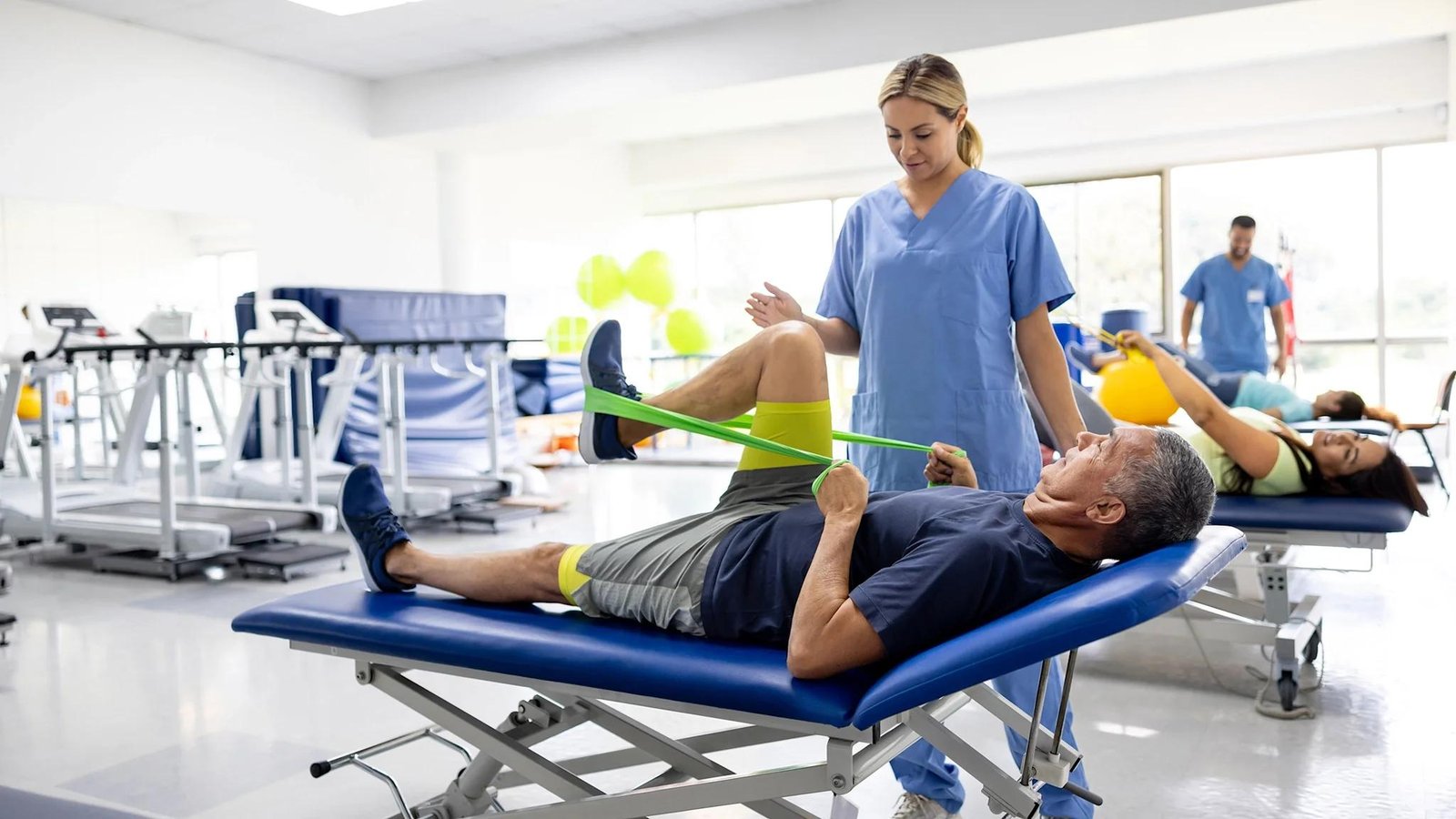
Whether you’ve had meniscus surgery or are healing naturally — our rehabilitation program restores knee function, reduces pain, and gets you back to the activities you love.

Hip & Lower Limb
Whether you’ve had meniscus surgery or are healing naturally — our rehabilitation program restores knee function, reduces pain, and gets you back to the activities you love.
Protect
Mobilize
Strengthen
Retrain
Return

Understanding Your Injury
The meniscus is a C-shaped piece of cartilage in your knee that acts as a shock absorber between the thighbone and shinbone. Tears can occur from twisting movements (acute) or gradual degeneration (chronic). Symptoms include pain along the joint line, swelling, clicking, locking, and difficulty fully straightening the knee.
Not all meniscus tears require surgery. Many can be managed successfully with physiotherapy. Even after surgery, rehabilitation is essential for optimal recovery. Our program is tailored to your tear type, surgical status, and personal goals.
Start Your RehabYour Journey
What We Treat
Recovery after partial removal of the torn meniscus.
Slower, protected protocol after surgical stitching of the tear.
For tears that can heal without surgical intervention.
Rebuilding muscle support around the knee joint.
Regaining full knee bending and straightening.
Objective assessments to clear you for sports and work.
FAQ
No. Many meniscus tears — especially degenerative tears and small stable tears — can be managed successfully with physiotherapy alone. Surgery is typically considered when there is mechanical locking, persistent giving way, or when conservative treatment hasn’t provided adequate relief after a reasonable period.
Recovery time varies based on the type of tear and treatment. Conservative rehab may take 6-12 weeks. After meniscectomy (removal), return to sport typically takes 4-8 weeks. After meniscus repair, the protocol is longer — often 4-6 months before full return to pivoting sports.
Avoid deep squatting, pivoting on a planted foot, and high-impact activities during the acute phase. However, specific therapeutic exercises are essential for recovery. Your physiotherapist will guide you on which movements are safe and beneficial at each stage of healing.
In most cases, yes — you can walk with a meniscus tear, though you may have some discomfort. If your knee locks or gives way, you should use crutches and seek assessment. We’ll advise on weight-bearing status based on your specific injury.
A meniscus tear does increase the risk of developing osteoarthritis later, especially if a significant portion of the meniscus is removed. That’s why rehabilitation focuses on optimizing knee mechanics, building muscle strength, and protecting the joint — all of which can help delay or reduce arthritic changes.
Book your meniscus assessment and begin your journey back to a pain-free knee.
Book Now →Have questions about meniscus tears? Call us for free expert advice.
Call +971 54 167 2953 →