Hip & Lower Limb
Plantar
Fasciitis Treatment
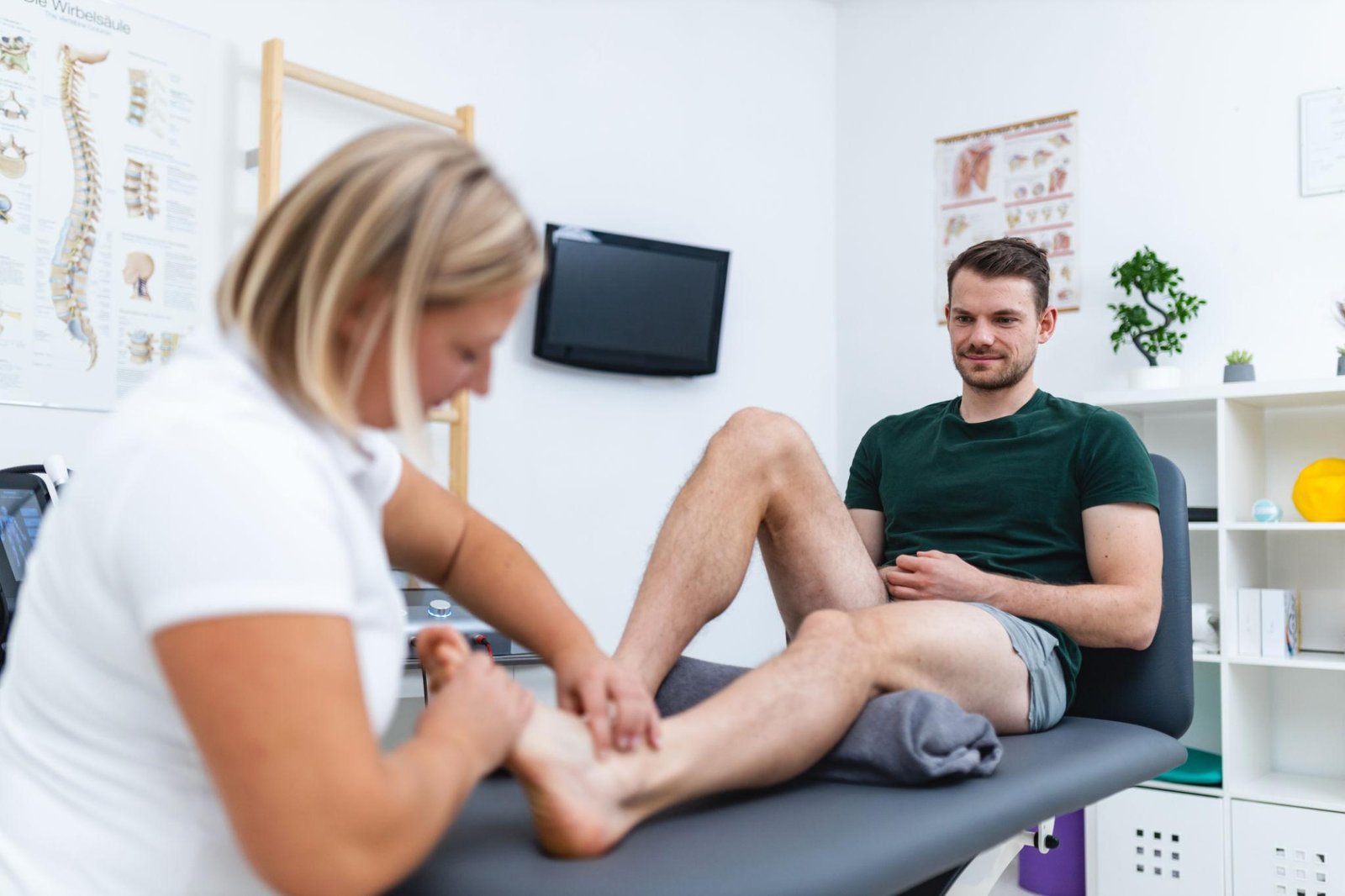
Stop the stabbing heel pain. Our physiotherapy approach treats plantar fasciitis at its source — not just the symptoms — for lasting relief and a return to pain-free walking.

Hip & Lower Limb
Stop the stabbing heel pain. Our physiotherapy approach treats plantar fasciitis at its source — not just the symptoms — for lasting relief and a return to pain-free walking.
Relieve
Stretch
Strengthen
Retrain
Return

Understanding Your Pain
Plantar fasciitis is inflammation of the thick band of tissue (plantar fascia) that runs across the bottom of your foot, connecting your heel bone to your toes. It typically causes a sharp, stabbing pain in the heel — especially with your first steps in the morning or after periods of rest.
At Physio Expert Dubai, we don’t just give you stretches — we identify why your plantar fascia became overloaded in the first place. Tight calves, weak foot muscles, poor footwear, and training errors all contribute. Our comprehensive approach addresses all contributing factors for lasting relief.
Get Assessed Today [/div]Your Journey
What We Treat
Heel pain from inflammation of the plantar fascia.
Calcium deposits causing chronic heel discomfort.
Pain and stiffness in the tendon connecting calf to heel.
Pain and inflammation in the ball of the foot.
Arch collapse contributing to foot and lower limb pain.
Recovery after bunion surgery and other foot procedures.
FAQ
With consistent physiotherapy and home exercises, most people see significant improvement within 6-12 weeks. However, chronic cases that have been present for months or years may take longer. The key is addressing all contributing factors, not just stretching the fascia.
Plantar fascia stretching, calf stretching, toe curls, and foot strengthening exercises form the foundation. However, the exact exercises depend on your specific biomechanics. We also assess your hips, knees, and ankles — weaknesses higher up often contribute to plantar fasciitis.
Supportive footwear with good arch support and cushioning can help during the healing phase. Some patients benefit from temporary taping or off-the-shelf orthotics. We advise on footwear and can recommend whether custom orthotics are necessary — they’re not always required.
While some cases may resolve with rest and time, many become chronic without proper treatment. The longer plantar fasciitis persists, the more difficult it can be to treat — as the tissue can degenerate and become resistant to healing. Early physiotherapy leads to faster, more complete recovery.
Walking barefoot — especially on hard surfaces — can aggravate plantar fasciitis by placing additional strain on the inflamed fascia. During the acute phase, supportive footwear (even indoors) is recommended. As you recover, we guide you on safely transitioning back to barefoot activities if desired.
Book your plantar fasciitis assessment and take the first step towards pain-free feet.
Book Now →Have questions about heel pain? Call us for free expert advice.
Call +971 54 167 2953 →